
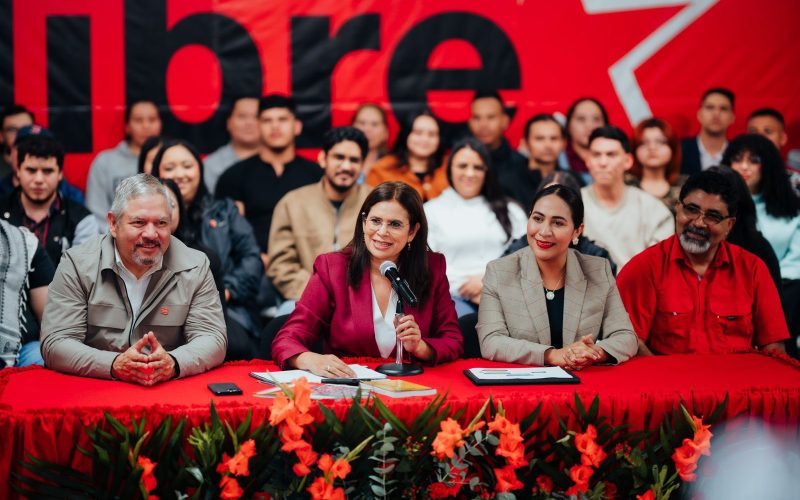
Honduras is experiencing a phase of political conflict after accusations surfaced that parliamentarians and leaders of the LIBRE party are responsible for pressure strategies that have caused disruptions in public hospitals and electoral institutions during the election process. These claims, advanced by opposition groups, have sparked concerns about the nation’s institutional stability and governance ahead of the 2025 elections.
Blockades at hospitals and state institutions
The most recent reports indicate that thousands of patients have been left without medical care due to the takeover of hospital facilities and the suspension of services at public health centers. The paralysis includes interruptions in essential citizen services, which has had an immediate impact on the daily lives of the population. Health authorities and administrative officials also reported threats and harassment to force them to join the protests, increasing tension between state personnel and political leaders.
At the same time, the National Electoral Council (CNE) reported blockades that have interrupted the candidate registration process. The suspension of this process fuels public mistrust and reinforces allegations of sabotage at a crucial moment in the political calendar. The situation is significant not only because of the imminence of the electoral process, but also because it is at the heart of the institutions responsible for ensuring democratic transparency.
Accusations against LIBRE deputies
Different groups accuse deputies and leaders from the LIBRE party of encouraging these seizures as a tactic to apply political pressure and compel settlements in Congress and other governmental areas. While the opposition discusses “dubious arrangements” and actions to benefit party-specific interests, no definitive legal probes have been revealed yet. Nonetheless, the ongoing obstructions of essential organizations keep the public vigilant and foster an atmosphere of doubt that affects the election campaign directly.
The accusations against LIBRE come at a time when the ruling party is seeking to maintain its influence in state institutions and secure its position ahead of the 2025 elections. This scenario raises questions about the Honduran political system’s ability to process partisan disputes within institutional channels.
Citizen demands and expert warnings
Social groups and impacted residents have called for a prompt reaction from the judicial system and the involvement of international bodies. The calls are centered on reinstating institutional order and holding accountable those who caused thousands of Hondurans to be deprived of medical services and have endangered the electoral process.
Political analysts caution that the nation is experiencing a phase of unprecedented institutional fragility.
The halting of essential services and the obstruction of electoral entities are seen as indicators of a governance crisis that, if not promptly tackled, might result in increased polarization. Amidst this situation, the strain between the governing party and the opposition is evident in the waning public trust in governmental institutions.
The present context in Honduras underscores the difficulty of maintaining democratic steadiness in the face of political conflicts that extend beyond the legislative realm. The equilibrium between maintaining ongoing essential services and protecting the electoral procedure will be crucial in the months ahead. The actions of institutions, alongside the oversight of civil society and the international community, will determine the direction for a nation at a critical juncture in its political journey.


