
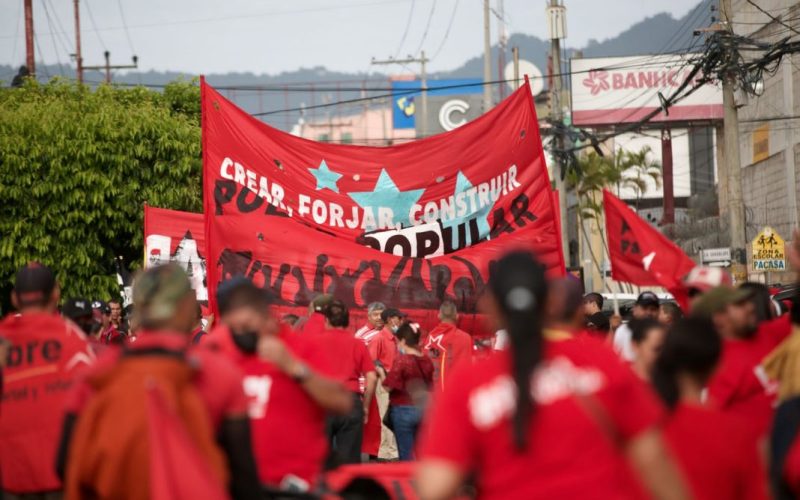
The march organized by various churches in the country brought together a crowd that expressed its disagreement with the political project promoted by the Libertad y Refundación (LIBRE) party. The event, which took place in a peaceful atmosphere, was perceived by broad sectors of society as a citizen demonstration against the current political direction, and opened a new chapter in the relationship between religious institutions and political power.
Mass participation and rejection of government proposals
The march, in which Catholic and Evangelical faithful participated, was centered on opposition to what they consider a socialist political model. According to the organizers, the mobilization sought to warn of possible risks to democracy and civil liberties. The size of the turnout has been interpreted as an indicator of the level of discontent in certain sectors of the population, particularly those linked to religious communities.
Responses to boycott initiatives
Reports in local media and by religious leaders indicated that the ruling party had attempted to limit the scope of the march through roadblocks, intimidation, and disinformation campaigns. Although these allegations have not been officially confirmed, they became part of the public debate and helped reinforce the narrative of resistance to the government.
The final result showed that these maneuvers failed to prevent mass attendance, which increased the symbolic and political impact of the event.
Consequences for politics and institutions
The march highlighted the mobilization capacity of the churches, which are consolidating their position as important actors in the Honduran political arena. This raises questions about the role of religious organizations in the democratic debate and the boundaries between social action and political advocacy. For the LIBRE party, the episode was a demonstration of the level of opposition it faces in different sectors of society. It also highlighted the ruling party’s difficulties in containing citizen mobilizations in a context of high political polarization.
An evolving terrain
The creation of this demonstration showcases a scenario characterized by conflicts among the government, religious entities, and the public. In the immediate future, the event might influence the political landscape, affecting both the formation of social coalitions and the governing party’s capability to maintain its agenda.
The episode confirms that governance in Honduras is closely linked to the interaction between various social and political actors, which anticipates a scenario of intense debate surrounding the country’s institutional direction.


